In April, Iran hit the shell owned refinery in Qatar that primary makes lubricating oils. That refinery and the rest behind the strait of Hormuz account for around half of the US’s supply of lubricating oils.
Repairs to that refinery are estimated to take a year to complete once its safe to do so. Domestic refineries to replace that capacity aren’t expected to come online until 2027. Even if the war ended in May, these lubricating oil shortages were coming regardless.
This is something that those in the industry knew was coming for a while.
Petroleum products are pretty fungible. Shortages in the normal supply to the U.S. raise the prices there. This increases profits to be made by diverting supply that would normally go elsewhere to the U.S. instead, raising prices elsewhere. It’s a worldwide market. Some exceptions due to geo-political factors do apply, but in general a shortage anywhere is a shortage everywhere.


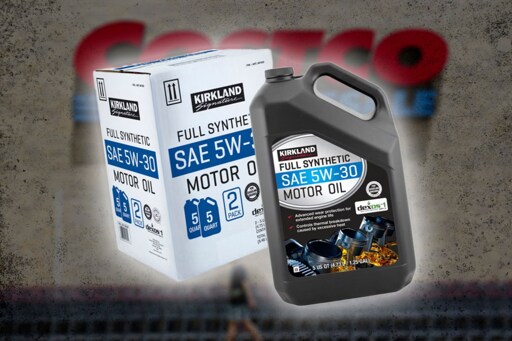
In April, Iran hit the shell owned refinery in Qatar that primary makes lubricating oils. That refinery and the rest behind the strait of Hormuz account for around half of the US’s supply of lubricating oils.
Repairs to that refinery are estimated to take a year to complete once its safe to do so. Domestic refineries to replace that capacity aren’t expected to come online until 2027. Even if the war ended in May, these lubricating oil shortages were coming regardless.
This is something that those in the industry knew was coming for a while.
What about the global supply, most of us don’t care about the US supply, they voted for this mess.
Petroleum products are pretty fungible. Shortages in the normal supply to the U.S. raise the prices there. This increases profits to be made by diverting supply that would normally go elsewhere to the U.S. instead, raising prices elsewhere. It’s a worldwide market. Some exceptions due to geo-political factors do apply, but in general a shortage anywhere is a shortage everywhere.